How to Search Texas Mugshots & Official Booking Records
Searching for official booking photographs and arrest intake portraits in Texas requires utilizing authorized state repositories and following statutory public information protocols:
Verified Official Texas Government Registries
Phase 1: Query Statewide Texas DPS Criminal History
The Texas Department of Public Safety (DPS) Crime Records Service maintains the central biometric database for all Class B misdemeanors and felonies reported statewide. Search by legal name and birthdate through the Computerized Criminal History (CCH) database.
Phase 2: Check County Sheriff Detention Rosters
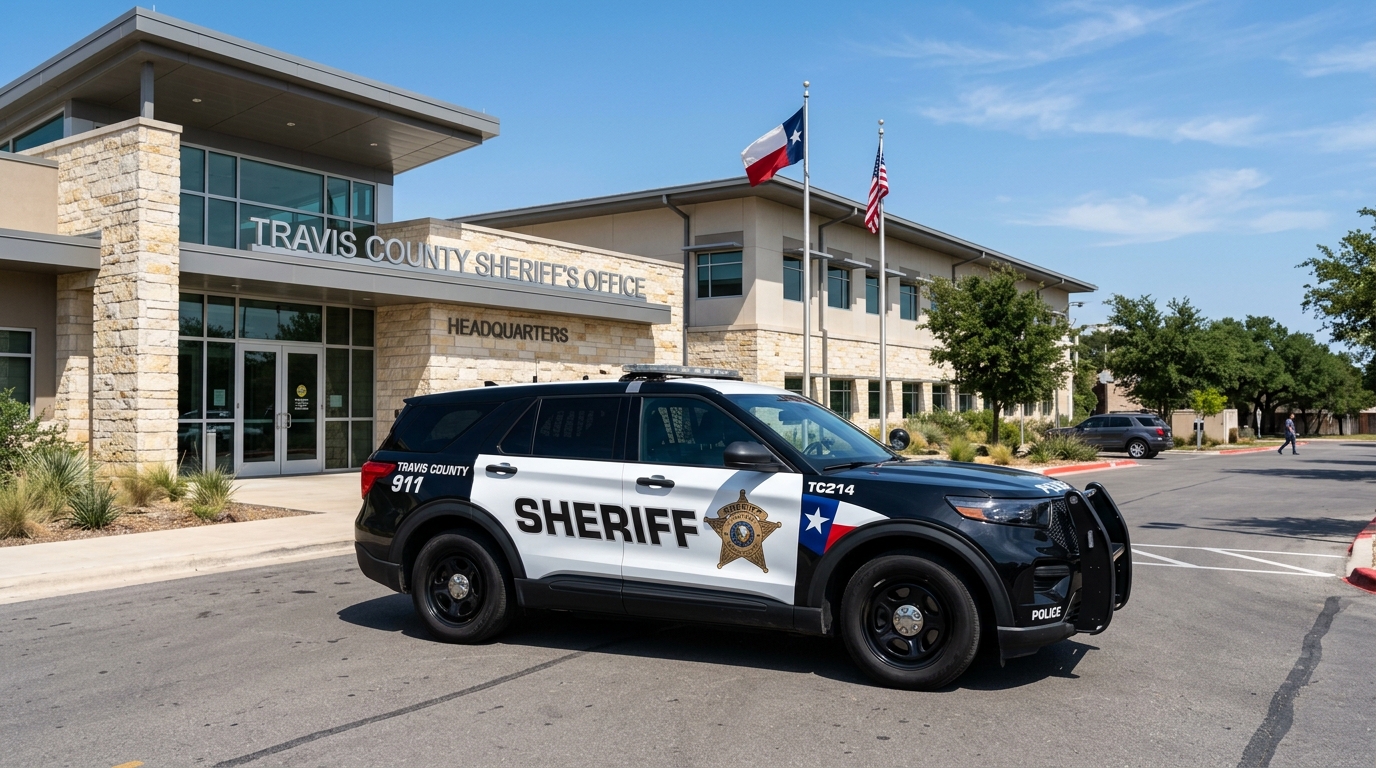
For active detainees, navigate to the specific county where the arrest occurred. Metropolitan counties (such as Harris, Dallas, Tarrant, Bexar, and Travis) maintain online public custody rosters, while rural counties process photo requests directly through the Sheriff records division.
Phase 3: Submit Written Texas Public Information Act Request
If an arrest photograph is not posted online, file a formal open records submission under Texas Government Code Chapter 552 with the arresting police department or sheriff records officer, citing the subject's name, arrest date, and booking number.
Phase 4: Verify Non-Commercial Record Protection
Under Texas Business & Commerce Code Chapter 109 (HB 3041), commercial publishing entities are legally prohibited from demanding fees to delete or modify criminal booking photographs.
Under Texas Family Code § 58.007, photographs of juvenile arrestees (under 17 years of age) are confidential by statute and never released to the public.
Statutory Framework Governing Booking Photographs in Texas
In the state of Texas, the creation, retention, and dissemination of arrest booking photographs—commonly referred to as mugshots—are governed by constitutional provisions, criminal procedural statutes, and open records legislation. When an individual is taken into custody by a Texas law enforcement agency, standard intake processing mandates the creation of an official photographic record.
Under Article 5, Section 23 of the Texas Constitution and Texas Local Government Code Chapter 85, elected County Sheriffs possess custodial responsibility over detention facilities and booking rosters. Booking images serve crucial institutional purposes, including inmate visual verification, security classifications, medical identification, and prevention of fraudulent releases.
Core Statutory Tenets in Texas
- Mandatory Intake Photography: Standardized frontal and profile photographic portraits captured upon formal jail booking.
- Texas Public Information Act (PIA): Texas Government Code Chapter 552 governs public access to government records.
- Law Enforcement Exceptions: Section 552.108 permits withholding photographic records if disclosure interferes with active prosecution.
- Post-Conviction Status: Following final criminal conviction, booking photographs generally enter the unrestricted public record.
Balancing public safety awareness with constitutional due process remains central to Texas criminal justice administration.
Intake Booking Photography Technical Standards & Biometrics
Detention facilities certified by the Texas Commission on Jail Standards (TCJS) utilize digital imaging systems to capture standardized intake photographs. These portraits adhere to strict National Institute of Standards and Technology (NIST) and Federal Bureau of Investigation (FBI) biometric standards:
Digital imaging workstations automatically link photographic files to the arrestee's State Identification Number (SID) and FBI biometric record.
Texas Business & Commerce Code Chapter 109: Anti-Extortion Protections
Texas has enacted strong statutory defenses to protect citizens against predatory commercial mugshot websites. Under Texas Business & Commerce Code Chapter 109 (strengthened by Texas House Bill 3041), any commercial entity that publishes criminal record information or booking photographs and solicits or accepts a fee to remove or modify that information commits an actionable civil and criminal violation.
Commercial publishers are strictly prohibited from demanding 'takedown fees', 'administrative processing costs', or 'reputation management subscriptions' to eliminate booking images from web search results:
Statutory Remedies Under Chapter 109
- Civil Penalties: Operators face civil penalties up to $500 per day per violation enforced by the Texas Attorney General.
- Private Right of Action: Aggrieved citizens can sue in state district court for actual damages, statutory damages, and reasonable attorney fees.
- Deceptive Trade Practice: Violations constitute actionable deceptive trade practices under Texas Business & Commerce Code § 17.46.
- Mandatory Removal for Innocence: Publishers must remove photos within 30 days of receiving proof of acquittal, dismissal, or expunction.
These protections ensure that individuals exonerated in court cannot be subjected to online financial extortion.
Public Disclosure Rules Under the Texas Public Information Act
Whether a specific booking photograph is available to the public depends upon the procedural posture of the criminal case. Under Texas Government Code § 552.108(a)(1), law enforcement agencies can withhold records—including booking photographs—if disclosure would interfere with the detection, investigation, or prosecution of crime.
However, under longstanding Texas Attorney General Open Records Decisions (ORD-127 and Houston Chronicle principles), front-page arrest information—such as the arrestee's name, age, physical description, charges, and booking date—constitutes basic public information that must be disclosed promptly upon request.
When Are Mugshots Disclosed in Texas?
- Active Custody: Many county sheriff offices publish current custody rosters online containing mugshots of currently housed detainees.
- Public Safety & Fugitives: Agencies routinely release photos of escaped detainees, wanted felons, or persons of interest to enlist public assistance.
- Closed Investigations: Once a criminal case terminates without conviction or reaches final disposition, law enforcement exceptions may lapse.
- Final Convictions: Incarceration portraits of state prison inmates maintained by the Texas Department of Criminal Justice (TDCJ) are public records.
Law enforcement agencies must seek formal open records rulings from the Texas Attorney General if they intend to withhold booking photos from formal written PIA requests.
Criminal Record Expunction Under Texas Code of Criminal Procedure Chapter 55
An arrest does not equate to guilt. In Texas, individuals who were arrested but never formally charged, whose cases were dismissed, or who were acquitted at trial possess statutory rights to petition for an Order of Expunction under Chapter 55 of the Texas Code of Criminal Procedure.
When a state district court judge enters a final Expunction Order, all criminal justice agencies—including the arresting police department, the county sheriff, the district attorney, the Texas Department of Public Safety (DPS), and the FBI—must destroy all files relating to the arrest, including physical and digital booking photographs:
Legal Effects of a Texas Expunction Order
- Complete Erasure: The arrest, booking record, fingerprints, and mugshot are permanently deleted from state databases.
- Right to Deny: Under Art. 55.03, the individual may lawfully deny that the arrest ever occurred for employment, housing, and licensing purposes.
- Criminal Penalties for Disclosure: State officials who knowingly release expunged records commit a Class B misdemeanor offense.
- Private Entity Compliance: Commercial background check databases receiving notice of expunction must purge records within 30 days.
For individuals completing deferred adjudication probation, Orders of Nondisclosure under Texas Government Code § 411.072 seal records from public view while preserving law enforcement access.
County Sheriff Central Booking vs. Municipal Police Department Lockups
Analyzing where a booking photograph originates requires evaluating the jurisdictional structure of law enforcement in Texas. Arresting authorities operate across distinct municipal, county, and state tiers:
Municipal Police Lockups
City police departments operate temporary holding cells. Arrest intake photos taken here document initial custody before court transfer.
County Sheriff Jails
Central county jails process all felony and state misdemeanor arrestees. Official custody rosters and booking photos are maintained here.
Texas DPS Highway Patrol
State troopers transport individuals arrested on state highways directly to the parent county jail for intake photography and magistration.
Texas TDCJ State Prisons
State correctional institutions capture institutional diagnostic intake portraits of convicted individuals sentenced to state prison terms.
Because municipal holding times are typically limited to 24 to 72 hours, long-term custody records transition to the central county detention repository.
The Magistration Sequence: Art. 15.17 and Photographic Record Timing
Following arrest, Texas Code of Criminal Procedure Article 15.17 mandates that every detainee appear before a neutral magistrate within 48 hours (or 24 hours for warrantless misdemeanors). Intake processing—including fingerprinting, biometric verification, and booking photography—is completed prior to judicial magistration.
During the Art. 15.17 magistration hearing, the presiding judge examines the probable cause affidavit, informs the detainee of pending criminal accusations, sets financial bail, and determines pretrial conditions:
Chronological Intake Timeline
- Physical Intake & Medical Triage: Detainee is searched, inventoried, and screened under TCJS health standards.
- Biometric Data Capture: Digital fingerprint scanning and standardized high-resolution booking photography.
- Magistrate Hearing: Formal advisement of constitutional rights and initial bail determination.
- Custody Roster Update: Public docket displays active booking status and financial bail schedules.
Once an individual satisfies bail conditions or secures release through a licensed surety bond, public custody rosters update to reflect discharge.
Law Enforcement Public Safety Bulletins & Fugitive Mugshots
While unconvicted booking photographs are subject to privacy constraints, Texas law enforcement agencies actively publish photographic bulletins when individuals pose an active danger to public safety or evade judicial process.
The Texas Department of Public Safety (DPS), county sheriff offices, and municipal police departments maintain official 'Most Wanted' lists and Crime Stoppers bulletins featuring booking photographs of absconders, parole violators, and felony fugitives:
Legitimate Public Safety Releases
- Active Felony Arrest Warrants: Photographic bulletins alerting the public regarding armed or dangerous suspects.
- Texas 10 Most Wanted: DPS statewide fugitive lists featuring cash rewards for tips leading to capture.
- Sex Offender Registry: Texas Code of Criminal Procedure Chapter 62 mandates public registry listings with current photographs.
- Crime Stoppers Broadcasts: Media partnerships broadcasting surveillance photos and booking images to solve open cases.
Citizens who recognize individuals featured on official fugitive alerts are urged never to attempt apprehension, but rather call local law enforcement dispatch or dial 9-1-1.
Texas DPS Crime Records Service & Fingerprint-Based History
The central repository for official criminal history data in Texas is managed by the Texas Department of Public Safety (DPS) Crime Records Service under Texas Government Code Chapter 411. While public search engines rely on name-based queries, official Texas records are anchored by biometric fingerprint records submitted during jail intake.
The Texas DPS Computerized Criminal History (CCH) database records arrests, formal indictments, judicial dispositions, probation terms, and prison sentences across all 254 counties. Authorized employers, licensing agencies, and public researchers can query the public portion of the CCH registry through the Secure Site or public portal:
DPS Criminal History Attributes
- State Identification Number (SID): Unique numeric identifier assigned to an individual's biometric profile in Texas.
- Incident Tracking Number (TRN): Tracks a specific arrest through booking, indictment, trial, and final appellate disposition.
- Exclusion of Juvenile Files: Juvenile records remain strictly confidential under Texas Family Code § 58.007.
- Certified Records: DPS provides notarized criminal history transcripts for international immigration or bar admission.
Commercial background check vendors are legally required under the Fair Credit Reporting Act to ensure that records retrieved from state repositories reflect accurate and up-to-date judicial dispositions.
Sandra Bland Act Jail Intake Safeguards & Vulnerability Screening
Booking procedures in Texas county jails are heavily regulated by the Sandra Bland Act (Texas Senate Bill 1849) and TCJS Chapter 273. When an individual is photographed and fingerprinted at central intake, booking deputies must conduct comprehensive mental health and medical vulnerability screenings.
The screening evaluates potential mental health crises, substance withdrawal, and suicide risk. If screening flags acute distress, the facility must notify local mental health authorities and magistrates within 12 hours:
Mandatory Intake Protections in Texas
Jail personnel must document physical and mental condition upon arrival. Medical triage notes, prescription medication histories, and crisis evaluations are maintained as confidential medical records under Texas Health & Safety Code § 611.002, distinct from public booking dockets.
These statutory safeguards ensure that vulnerable individuals receive essential psychiatric and medical intervention rather than being neglected in detention.
Filing a Compliant Texas Public Information Act Request for Booking Records
Members of the public, defense attorneys, and journalists seeking official arrest documentation or booking photographs from a Texas law enforcement agency can submit formal requests under the Texas Public Information Act (Texas Government Code Chapter 552).
Requests must be submitted in writing and directed to the designated Public Information Officer of the agency that conducted the arrest or maintains custody:
Key Elements of a Valid PIA Letter
- Clear Subject Identification: State the individual's full legal name, date of birth, approximate arrest date, and booking number if known.
- Specific Record Request: Explicitly specify requested items, such as the arrest report, basic information sheet, or booking photograph.
- Ten Business Day Timeline: Under Texas Government Code § 552.221, the governmental body must produce records within ten business days or certify reasons for delay.
- Attorney General Rulings: If an agency claims an exception (such as § 552.108), it must submit a request for an open records ruling to the Texas Attorney General within ten business days.
Our site provides an interactive PIA request generator to help citizens draft legally sound records requests conforming to Texas statutory standards.
Fair Credit Reporting Act (FCRA) Standards & Consumer Use Limitations
Arrest records and booking images accessed through public registries or commercial databases are subject to strict federal regulations under the Fair Credit Reporting Act (15 U.S.C. § 1681 et seq.). Information obtained from open records directories may not be utilized to make adverse consumer decisions regarding employment vetting, tenant screening, insurance underwriting, or consumer credit.
Commercial Consumer Reporting Agencies (CRAs) compiling background screening reports must maintain reasonable procedures to assure maximum possible accuracy:
Federal Restrictions on Criminal History Reporting
- Seven-Year Reporting Cap: Under 15 U.S.C. § 1681c, non-conviction arrest records older than seven years cannot be reported in consumer employment screenings.
- Mandatory Pre-Adverse Action Notice: Employers intending to deny employment based on a criminal background report must provide a copy to the applicant prior to final action.
- Dispute Resolution Rights: Consumers retain statutory rights to dispute inaccurate or expunged criminal records with background screening agencies.
texasrecordshub.org is an educational directory resource and is not a consumer reporting agency under the FCRA.
Online Reputation, Search Engine Delisting, & Mugshot Takedown Rights
Individuals whose booking photographs appear on third-party internet sites often experience severe personal and professional distress. Reviewing lawful strategies for removing or de-indexing these records is critical for affected Texans.
Major internet search engines (such as Google and Bing) have established formal policies prohibiting predatory mugshot sites. When an individual submits proof of expunction, dismissal, or non-disclosure under Texas law, search providers will de-index the URLs from name-based search queries:
Actionable Steps for Record Removal
- Secure Certified Court Documents: Obtain certified copies of the order of dismissal, acquittal, or judicial expunction from the court clerk.
- Serve Chapter 109 Written Notice: Transmit certified notice citing Texas Business & Commerce Code § 109.005 demanding immediate removal without payment.
- Submit Search Engine Removal Requests: File official removal requests through Google's 'Personal Information Removal' portal attaching judicial documentation.
- Report Extortion to Texas Attorney General: File complaints with the Consumer Protection Division regarding any website demanding payment for deletion.
Never pay private online services demanding hundreds of dollars to remove photos; state law provides legally enforceable mechanisms to compel removal.
Strict Confidentiality of Juvenile Booking Photographs in Texas
Under Texas Family Code Title 3 (the Juvenile Justice Code), booking photographs, fingerprints, and detention records involving minors under the age of 17 are strictly confidential and protected from public disclosure. Texas law recognizes the necessity of shielding youth from permanent stigmatization.
Pursuant to Texas Family Code § 58.007, law enforcement agencies may not release juvenile booking photographs to the public, the press, or commercial search engines. Juvenile records may only be inspected by authorized criminal justice entities, juvenile probation officers, and the child's parents or legal guardians:
Exceptions & Sealing Rights
The sole exception permitting public release of a juvenile photo occurs when a juvenile court certifies an individual as a fugitive from justice posing immediate danger. Furthermore, Texas Family Code Chapter 58 provides for automatic sealing of juvenile records once the individual reaches age 19 without subsequent felony convictions.
Commercial sites that publish juvenile arrest records face severe civil liability and regulatory prosecution under Texas privacy statutes.
Frequently Asked Questions About Texas Mugshots & Booking Photos
Is it legal for websites to charge money to remove a mugshot in Texas?
No. Under Texas Business & Commerce Code Chapter 109, it is illegal for any entity to charge a fee to remove, correct, or modify criminal record information, including booking photographs. Violators face civil penalties up to $500 per day per violation and private lawsuits.
Are all arrest mugshots public record in Texas?
Not automatically. While county sheriff offices often publish active custody rosters, agencies can withhold booking photos during pending criminal investigations under Texas Government Code § 552.108. However, basic arrest information is public, and photos generally become accessible after final conviction.
How does a court expunction affect booking photographs in Texas?
Under Texas Code of Criminal Procedure Chapter 55, an Expunction Order mandates that all law enforcement and criminal justice agencies destroy all records of the arrest, including physical and electronic mugshots. Agencies and commercial publishers receiving the order must purge the photos permanently.
Where can I find official booking photos of current county jail inmates?
Official booking photos can be reviewed through county sheriff custody rosters and central booking records desks across all 254 Texas counties. Our directory provides verified courthouse contacts, facility addresses, and direct records extensions.
Can mugshots be used to evaluate job applicants or rental tenants?
No. The Fair Credit Reporting Act (15 U.S.C. § 1681) and Equal Employment Opportunity Commission (EEOC) enforcement directives prohibit using raw arrest photos to deny employment or housing, as an arrest does not establish criminal guilt.
Are juvenile arrest photographs ever released to the public in Texas?
No. Under Texas Family Code § 58.007, juvenile booking records and photographs are strictly confidential. Law enforcement agencies are prohibited from publishing or releasing images of minors under age 17 to commercial databases or the general public.